Arrival & greeting
Coaches welcome each child by name. Shoes come off, hands are sanitized, and we set a calm start so anxious newcomers feel seen within minutes.
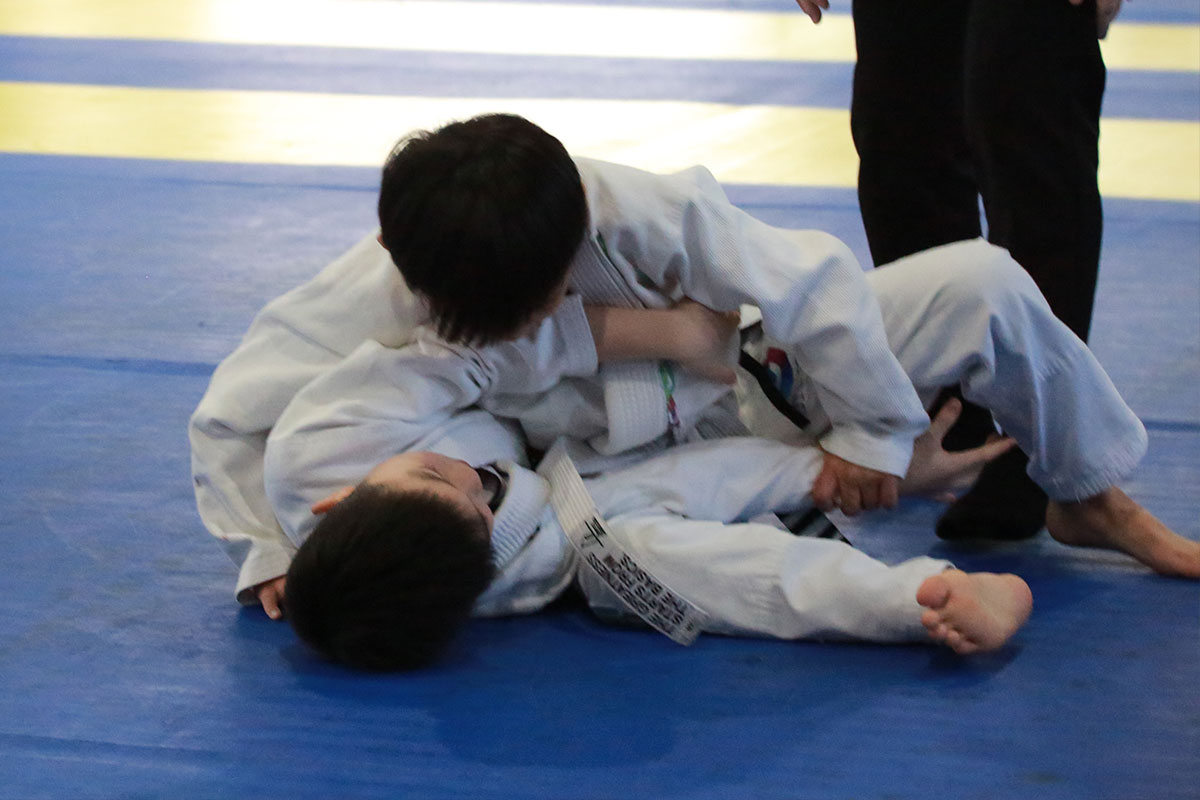
Youth Grapplers · Ages 5–8
Where young grapplers discover their potential through play and problem-solving — with coaches who prioritize safety, respect, and real skill.
Kids are eager to move, ready for simple instructions, and still naturally playful — perfect for learning grappling through games, not lectures.
Five to eight is a great place to start. Kids are fearless enough to try, old enough to follow instructions, young enough to learn without ego. Our classes scale to each child's maturity level — no pressure, no faking toughness.
We match partners for each drill to try to give each kid a challenge and also greatest chance to improve. Tap culture means your child always has a stop button.
We teach actual grappling fundamentals through games. Kids solve real problems under pressure, gain motor control, and earn belts the hard way. That confidence carries to the playground, the classroom, and beyond.
No participation trophies. If your child advances, it means something — they did the work.
Your kid isn't just learning from a coach — they're part of a group that respects each other. Parent friendships happen on the sideline. Many families train together for years. Siblings get discounts.
This is a place where your kid belongs, not where you drop them off.
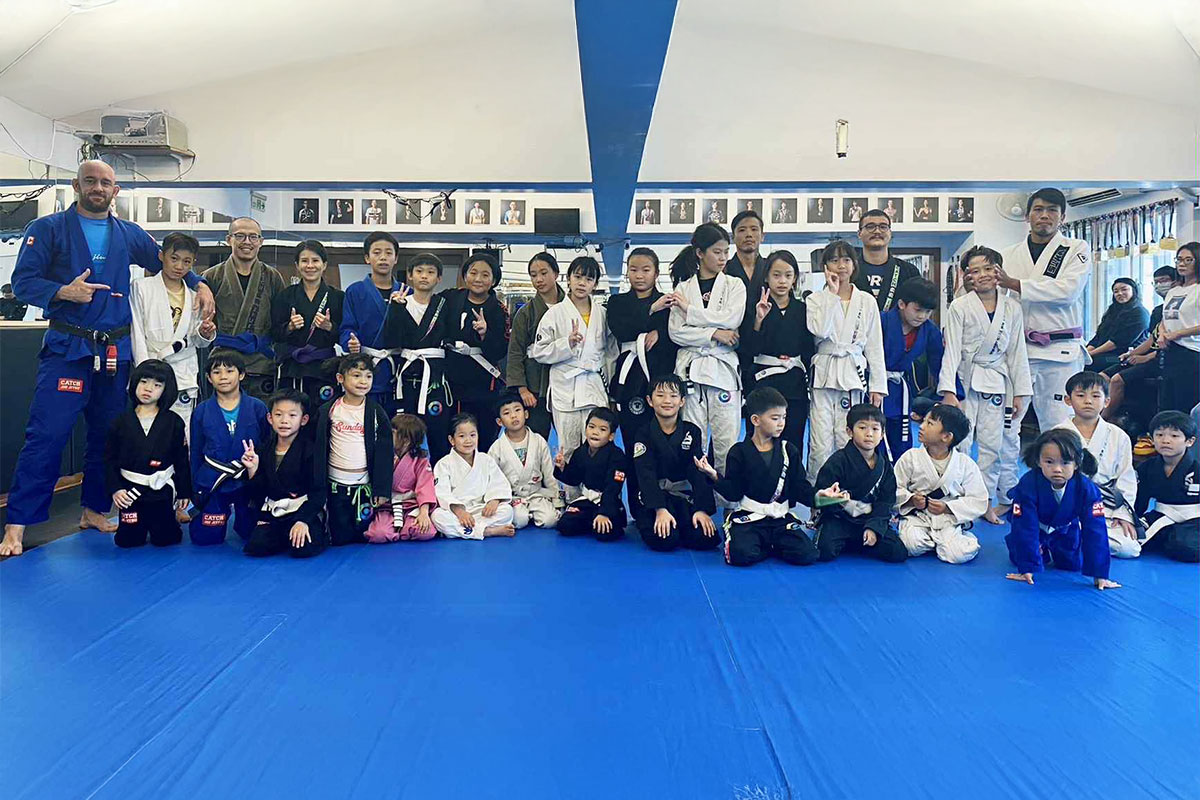
No commitment. Coaches orient new kids and parents. Intensity always matches readiness.
Every lesson follows a clear rhythm — arrival, focus, movement, problem-solving, and partnership — so kids know what to expect.
We use constraints-led pedagogy: coaches design the puzzle, kids discover the answer on the mat.
Coaches welcome each child by name. Shoes come off, hands are sanitized, and we set a calm start so anxious newcomers feel seen within minutes.
We lead a short, kid-friendly meditation to settle busy minds and transition into class with intention.
We move through a short warm-up so bodies are loose, safe, and ready for jiu-jitsu.
We believe experience is the best teacher. Our staff design situations where children must figure out how to solve grappling problems on the mat. With careful constraints, we guide them toward solutions they discover themselves — building more proficient grapplers (it's also a lot more fun).
Pairs rotate through coached rounds with tap-out culture emphasized every session so kids feel in control of intensity and stops.
After class we line up, talk about what we learned that day, and announce an MVP — most valuable player — for someone who brought great attitude and effort.
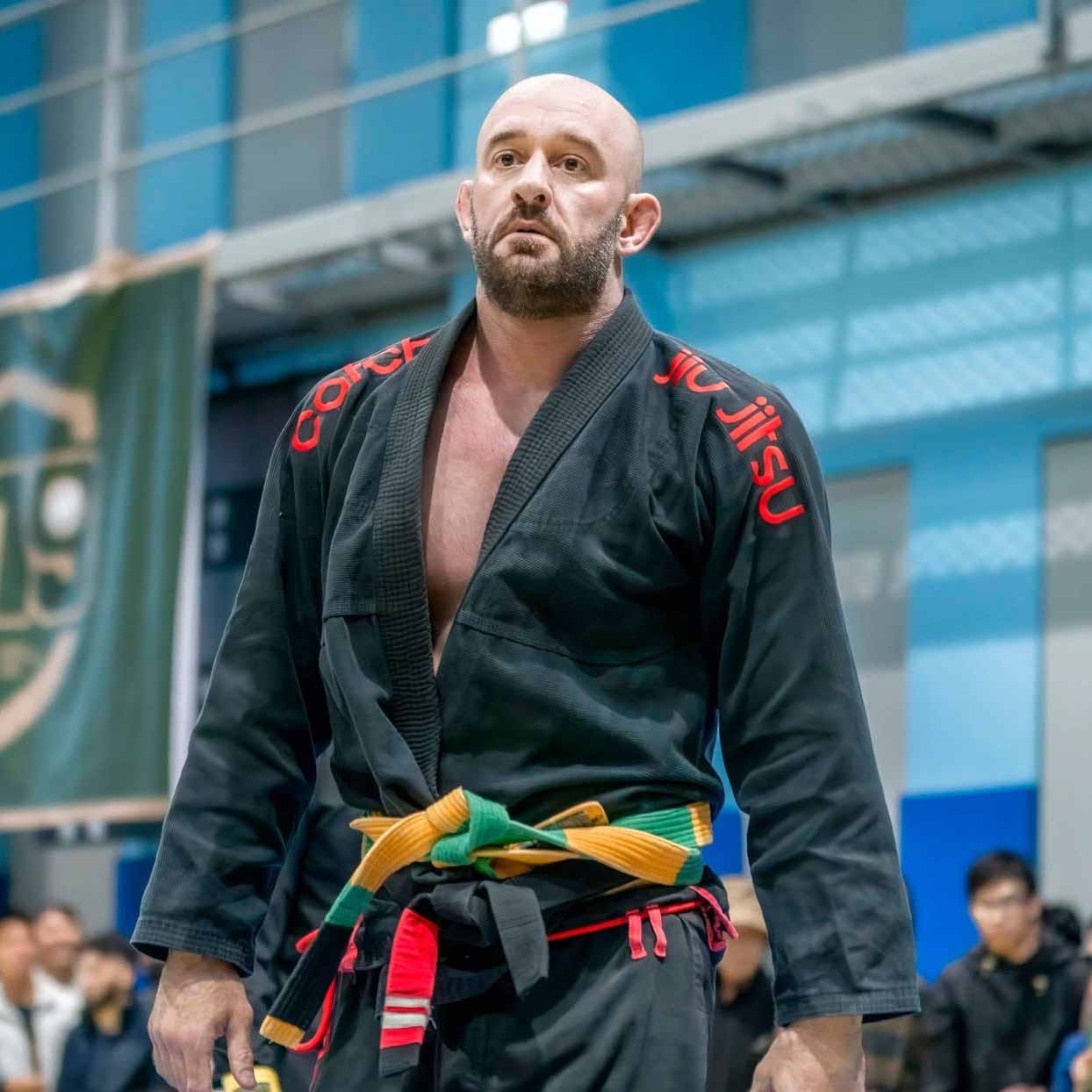
Dan Reid leads Youth Grapplers with competition-tested skill and kid-first coaching habits.
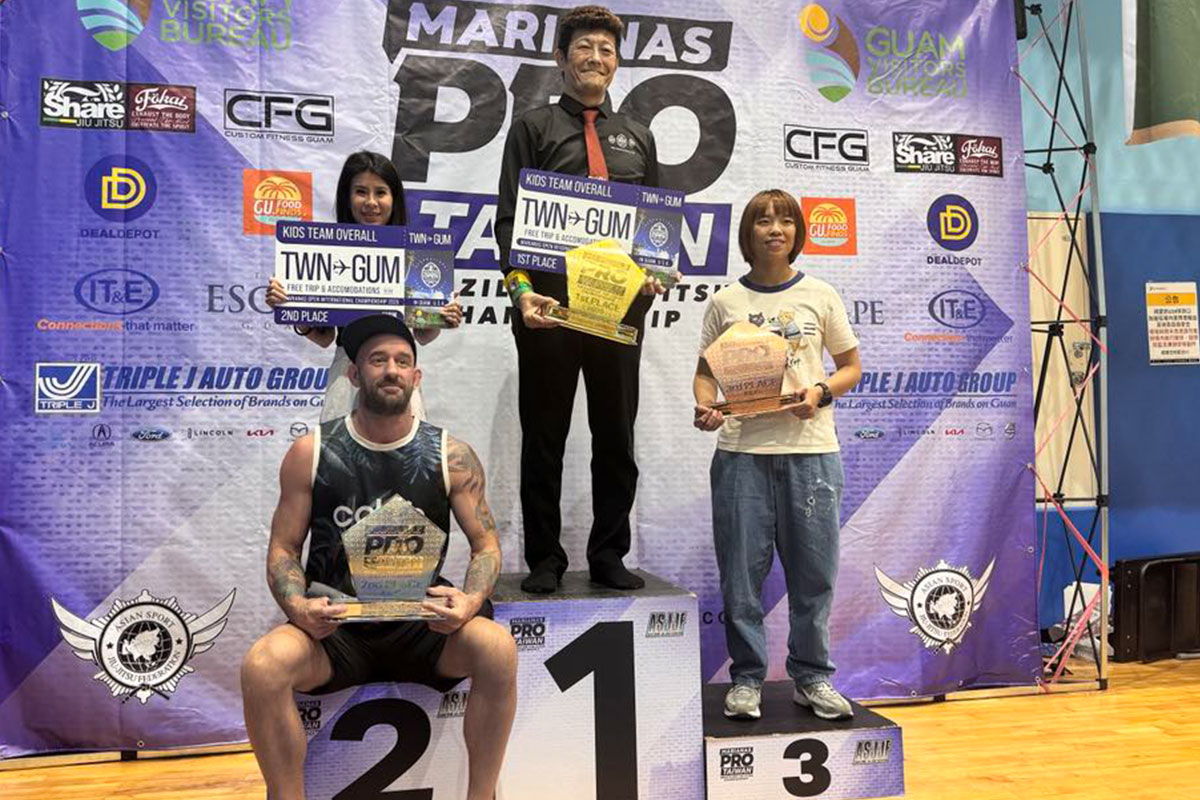
Dan has trained Brazilian Jiu-Jitsu for almost 20 years and competed actively throughout — including recent black belt wins such as Marianas Pro in Taiwan. Outside the medal count, he is also an undefeated MMA fighter (5-0), experience that sharpened how he teaches calm under pressure.
Yet what parents notice first is not the accomplishments — it is how he speaks to children. Dan defaults to eye-level explanations, names every child on the mat, and celebrates effort before outcomes. He builds sequences kids can repeat: see the grip, find your base, protect your neck, breathe. Over weeks, shy students begin volunteering answers; energetic students learn to slow down for partners.
Credentials: 3rd Degree Brazilian Jiu-Jitsu Black Belt, Judo Black Belt, recognised as one of the top Jiu Jitsu coaches in Asia.
Safety philosophy: Until our young athletes get their first stripe (3-4 months) on their belt they cannot be submitted in live training, this makes any injury chance very low. Dan pairs Catch's broader curriculum (BJJ + judo movement + wrestling fundamentals) so Youth Grapplers build coordination that transfers anywhere.
Transformations parents recognize: the timid child who now raises a hand to drill first; the “always moving” child who can freeze-hit a stance when asked; the sibling pair who practice gentle rolls at home because they learned how to stop. Those signals matter more than viral clips — they mean your child is integrating discipline into identity.
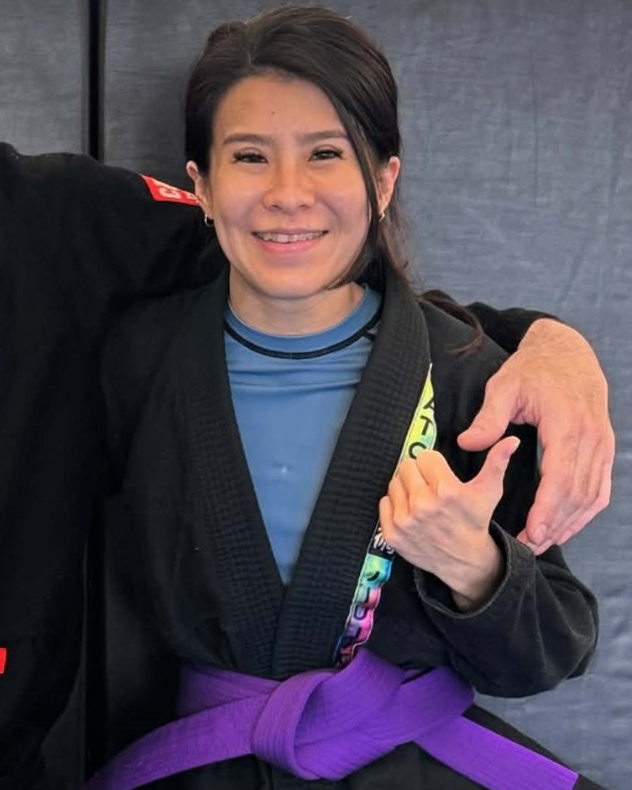
Assistant Instructor · Bilingual Youth Specialist & Gym Manager
Emma is a full-time coach and the operational heart of Catch Jiu Jitsu — and she brings ten years of training plus an intuitive gift for reading what motivates each child.
As a purple belt who represented Kaohsiung at the National Games, Emma knows the work required to progress. But her real talent lies in spotting what drives a shy kid, an energetic kid, or a perfectionist — and adjusting her coaching to meet them there. Parents notice Emma remembers not just technique corrections, but the small things: which child lights up when praised specifically, which one needs space to figure things out alone, which sibling pair works best apart or together.
Her bilingual fluency (Chinese and English) means she can communicate with families in their home language and help young learners understand instructions without hesitation. For multilingual kids, that clarity removes a common barrier to confidence.
As full-time gym manager, Emma also carries Catch's day-to-day culture — she knows every family's schedule, celebrates every promotion and newcomers feel welcomed by name. That operational care shows on the mat: Youth Grapplers classes run like well-oiled teams because Emma thinks about the whole experience, not just the one hour.
Credentials: Purple belt in Brazilian Jiu-Jitsu, ~10 years training experience, National Games representative, bilingual (Chinese/English), full-time coaching and gym management.
Teaching style: Intuitive and adaptive; reads individual motivation; clear communication in both languages; structures drills so every child feels successful and seen.
Why kids respond: Emma notices what makes each kid tick — whether it is gentle encouragement, friendly challenge, or quiet confidence. She coaches the whole child, not just the technique.
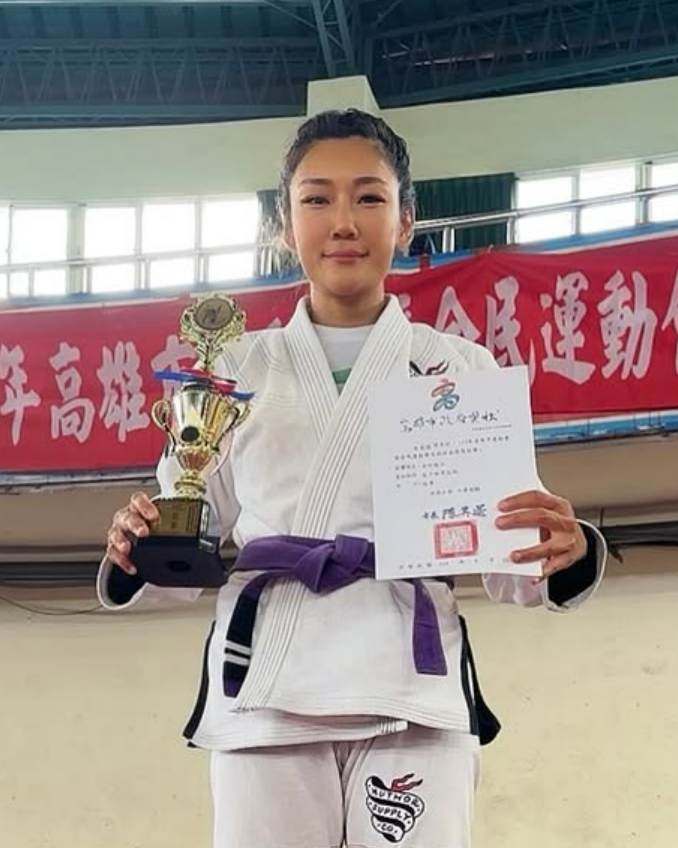
Assistant Instructor · Youth Grapplers Specialist
Zoe brings ten years of grappling experience and a PE teacher's instinct for how children learn movement — making her a natural with the youngest students.
By day, Zoe teaches physical education at Kaohsiung American School, where she works with kids aged 5–12 across sports and coordination drills. By evening, she brings that same patience and clarity to the mat. Her purple belt reflects genuine progression (not shortcuts), and her representation of Kaohsiung at the National Games shows she trains seriously — yet her main joy is seeing a shy five-year-old suddenly trust their body enough to try a new position.
Zoe's superpower with Youth Grapplers is seeing what each child needs that day. Some kids need to be challenged harder; others need reassurance that struggling is normal. She adjusts on the fly without making anyone feel singled out. Parents notice she remembers small details — a child's favorite warm-up game, a sibling's name, what worked last week when a kid was nervous.
Credentials: Purple belt in Brazilian Jiu-Jitsu, ~10 years training experience, PE teaching certification, National Games representative.
Teaching style: Encouraging without false praise; clear instructions; skilled at scaling drills so smaller or less experienced kids feel included, not left behind.
Why kids respond: She moves like them, speaks at their level, and genuinely celebrates effort. Plus, her PE background means she spots postural habits other coaches might miss.
Most kids programs drill moves like flashcards. Catch teaches young grapplers to think.
Instead of “copy this move ten times,” coaches set up playful challenges with clear rules — like “keep your back off the mat” or “only use your legs to escape.” Kids have to figure out the answer with a partner who is actually moving. That is how young brains learn grappling.
Every drill stays alive and age-appropriate. Kids are not posing against a static dummy — they are solving small problems against a friend who is resisting and learning too.
A five-year-old and an eight-year-old can play the same constraint game and both succeed. Nobody is bored. Nobody is overwhelmed. Coaches adjust partners and intensity so progress is real.
This is what separates programs where kids memorize shapes from programs where kids build confidence that lasts.
Why this matters for ages 5–8
Real outcomes from families training at Catch — confidence, focus, and friendships.
“Our daughter was clingy in new rooms — within a month she marched onto the mat herself. Coaches noticed small wins in every class.”
“He used to melt down when he lost games. BJJ gave him a language for trying again — tapping, resetting, laughing it off with teammates.”
“Small class vibe means kids aren't lost in the crowd. We get specifics after class — what to practice at home without pressure.”
Catch Jiu Jitsu
Ages 5–8
A belt at Catch is not a reward for showing up. It is recognition that a student has developed genuine competency — the ability to perceive a problem on the mat and produce an effective response under real conditions. That standard does not bend for age, size, or how long a child has been attending.
This program is built for the long game. A student who begins at five years old and earns a green belt has spent a significant portion of their childhood developing real skill. That is the point.
Learning to solve
Safe, efficient movement. Structural frames under pressure. Shrimping, bridging, repositioning when trapped. Falling without fear.
Before progression
Responds to stop/start without prompting. Trains cooperatively without redirection. Movement is purposeful, not panicked.
Learning to solve
Surviving dominant positions. Guard retention under pressure. Managing a standing grip exchange.
Before progression
Taps early and without hesitation. Leads warm-up independently. Framing and shrimping are reflexive, not deliberate.
Learning to solve
Operating with a clear objective in positional rounds. Recognizing and attempting basic sweeps. Adjusting output for smaller partners.
Before progression
Rolls with genuine intention. Consistent sportsmanship. Begins reading partners rather than just reacting.
Learning to solve
Chaining movements between positions. Recognizing submission conditions and applying them correctly.
Before progression
Takes initiative without instruction. Holds themselves and partners to program standards. Leads by example.
Learning to solve
Imposing a game, not just responding to one. Managing a full match with an adaptive plan. Recognizing what a less experienced partner needs without sacrificing their own development.
Before progression
Consistent competition presence. Composed and intentional. An emerging individual style that is genuinely theirs. Beginning to coach themselves.
At Catch, every belt means something. That is only possible because we do not give them away.
Questions about promotions? Ask coaches after class or see our FAQ.
Designed for parents who ask hard questions first — here is how we answer them on the mat.
Youth sessions keep classes small enough that coaches can correct posture hands-on and spot risky angles before they escalate.
No adult-intensity submissions or reckless drills — techniques scale to bodies still developing coordination.
Kids practice stopping immediately when a partner taps or says stop — autonomy over their bodies is non-negotiable.
Warm-ups prepare wrists and necks; controlled entries into rolling; mats inspected and hygiene emphasized daily.
Staff carry first-aid training expectations; emergency contacts on file; Clear evacuation paths and incident reporting protocols.
Ages 5–8 · 3F, No. 79, Jhonghua 3rd Rd, Qianjin District, Kaohsiung City 801
| Day | Time | Class | Ages |
|---|---|---|---|
| Monday | 7:00 PM – 8:00 PM | Kids BJJ beginners | 5–15 |
| Tuesday | 7:00 PM – 8:00 PM | Kids No GI | 5–15 |
| Wednesday | 6:30 PM – 7:30 PM | Youth BJJ | 5–8 |
| Thursday | 7:00 PM – 8:00 PM | Kids No GI | 5–15 |
| Friday | 6:30 PM – 7:30 PM | Youth BJJ | 5–8 |
| Saturday | 1:00 PM – 2:00 PM | Youth BJJ(6-8) | 5–8 |
| Sunday | 1:00 PM – 2:00 PM | Kids competition wrestling(invite only) | 5–15 |
| Sunday | 2:00 PM – 3:00 PM | Kids BJJ beginner | 5–15 |
Still have questions? See our full FAQ library or message us — we're happy to chat.
Youth membership (ages 5–8) — billed in TWD. No long-term contracts. Start with a free trial to see if Catch fits your family.
Weekdays
NT$3,000
per month
Weekend
NT$3,000
per month
Unlimited
NT$3,500
per month
Start with a free trial. If your child loves it, pick the schedule that fits your week. Ask staff about sibling discounts — many families train together.
No pressure. No long-term contracts. We grow when families are happy — not when you feel trapped.
Ready to start?
No pressure to enroll. Just come try it. Coaches will match intensity to your child, explain how we teach, and answer every parent question.
Have a question before booking? We're .