Arrival & greeting
Coaches welcome each student by name. Shoes come off, hands are sanitized, and we set a calm start so newcomers feel seen within minutes.
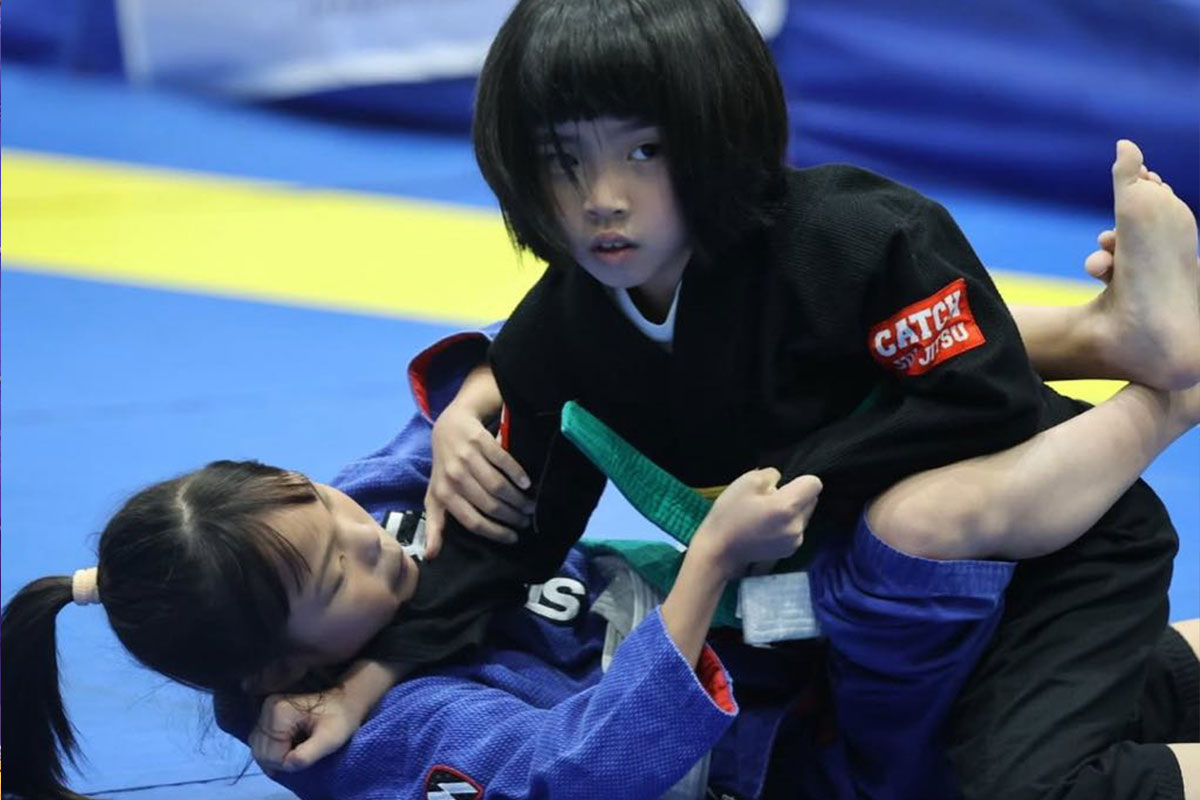
Junior Grapplers · Ages 9–15
Brazilian Jiu-Jitsu for tweens and teens in Kaohsiung. Same belt standards as Youth, with coaching that matches growing athletes. Safe, respected, and genuinely challenging.
Bodies are stronger, attention spans longer, and emotions more complex — this is the window where grappling becomes a serious athletic habit without losing respect or play.
If your child is nervous, you're not alone. Many start unsure and discover confidence on the mat. We go slow, explain everything, and pair newer kids with patient partners. No throwing into the deep end.
Tap culture is sacred — the instant they say stop, we stop. Injury risk drops with coached progression and matched partners.
Juniors learn to solve problems under pressure, own their mistakes, and lead without drama. That translates to handling school stress, navigating peer drama, and building actual confidence.
A belt at Catch is earned through genuine competency — not participation trophies. Kids notice the difference.
BJJ is one of the few things that genuinely competes with a phone — because you have to be present. One confused second on the mat and you're under someone. That focus isn't forced. It's earned. Parents consistently notice the carryover within weeks.
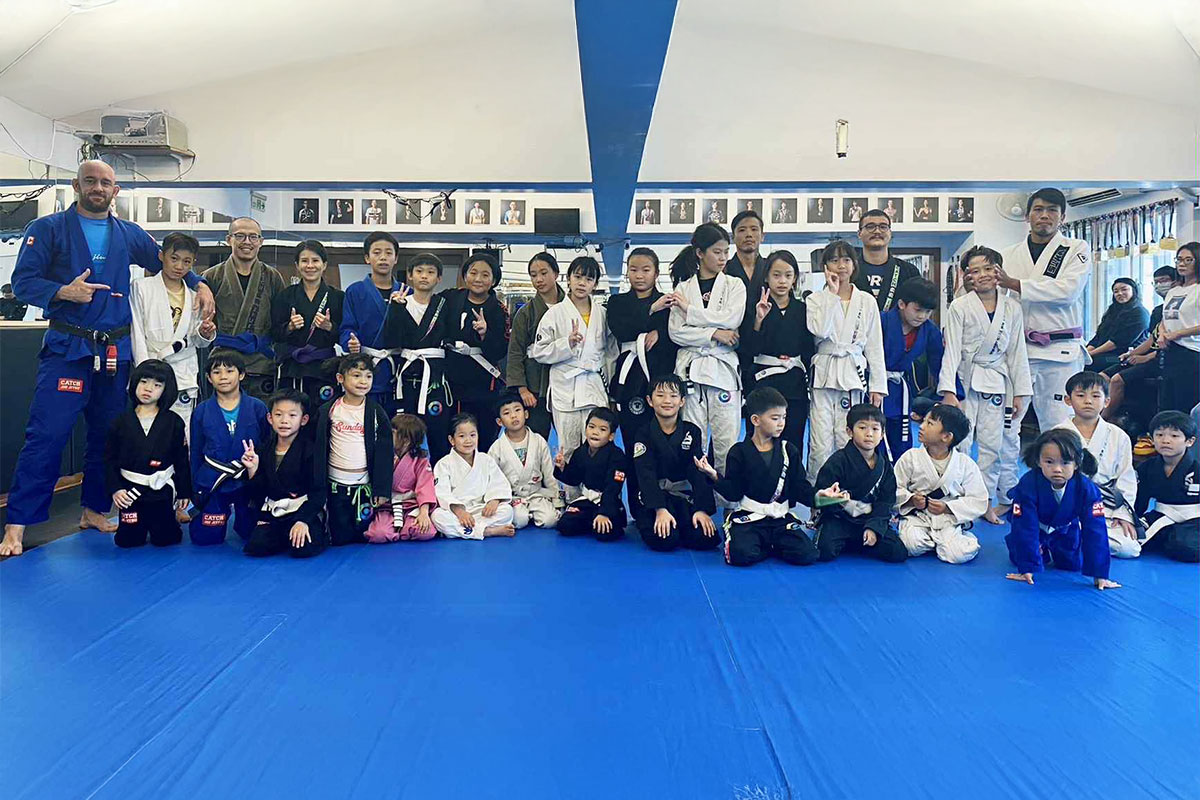
No commitment. Coaches orient new athletes and parents. Intensity always matches experience.
Same rhythm families know from Youth — arrival, focus, warm-up, constraints-led technique, partner rounds, and line-up — with older-athlete standards.
We use constraints-led pedagogy: coaches design the problem, athletes find the solution under real conditions.
Coaches welcome each student by name. Shoes come off, hands are sanitized, and we set a calm start so newcomers feel seen within minutes.
We lead a short meditation to settle busy minds and step into class with intention — especially helpful for scholastic stress and after-school energy.
We move through a focused warm-up so joints and lungs are ready for drilling and controlled rolling.
We believe experience is the best teacher. Our staff design situations where athletes must solve grappling problems on the mat. With careful constraints, we guide them toward solutions they discover themselves — building sharper grapplers and deeper buy-in.
Pairs rotate through coached rounds with tap-out culture emphasized every session so athletes feel in control of intensity and stops.
After class we line up, debrief what we learned, and announce an MVP — most valuable player — for someone who brought great attitude and effort.
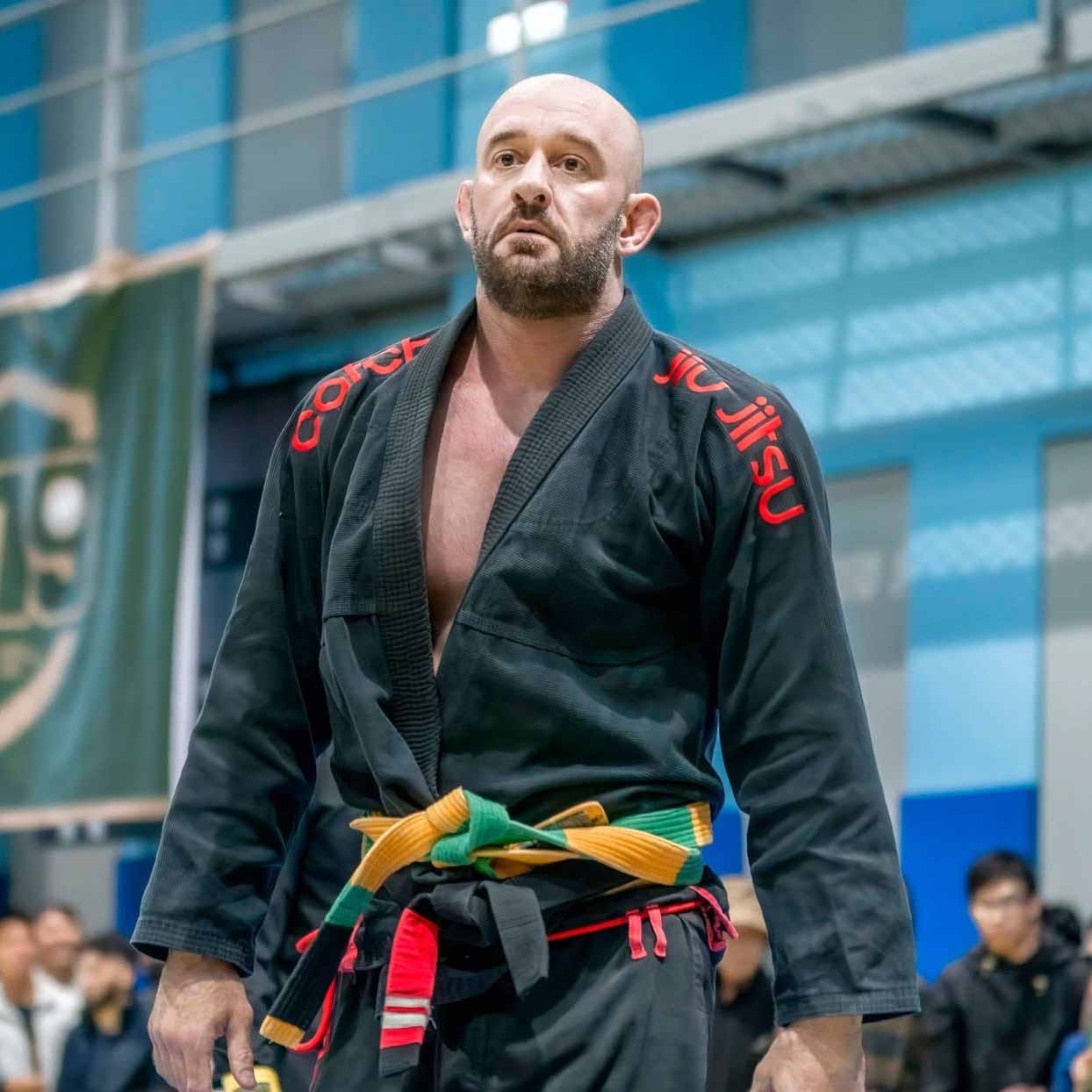
Dan Reid leads Junior Grapplers with the same black-belt standards that built Catch — pressure-tested skill and honest communication.
Dan has trained Brazilian Jiu-Jitsu for almost 20 years and competed at a high level — including recent black belt wins such as Marianas Pro in Taiwan. He is also an undefeated MMA fighter (5-0), experience that shapes how he teaches composure when rounds get uncomfortable.
With juniors, Dan pushes clarity: what matters in a scramble, how to reset after a mistake, and how to train assertively without bullying partners. Parents hear him praise problem-solving and good attitude as loudly as any medal — because those traits decide who thrives as a teenager on the mats.
Credentials: 3rd Degree Brazilian Jiu-Jitsu Black Belt, Judo Black Belt.
Safety philosophy: Until our young athletes get their first stripe (3-4 months) on their belt they cannot be submitted in live training, this makes any injury chance very low. Dan fuses Catch's curriculum (BJJ + judo movement + wrestling fundamentals) so juniors build grappling IQ that thrives in tournaments, school sports, and daily resilience.
What families notice: quieter confidence when standing up for themselves, calmer responses when things do not go their way, and training partners who check in with each other after hard rounds.
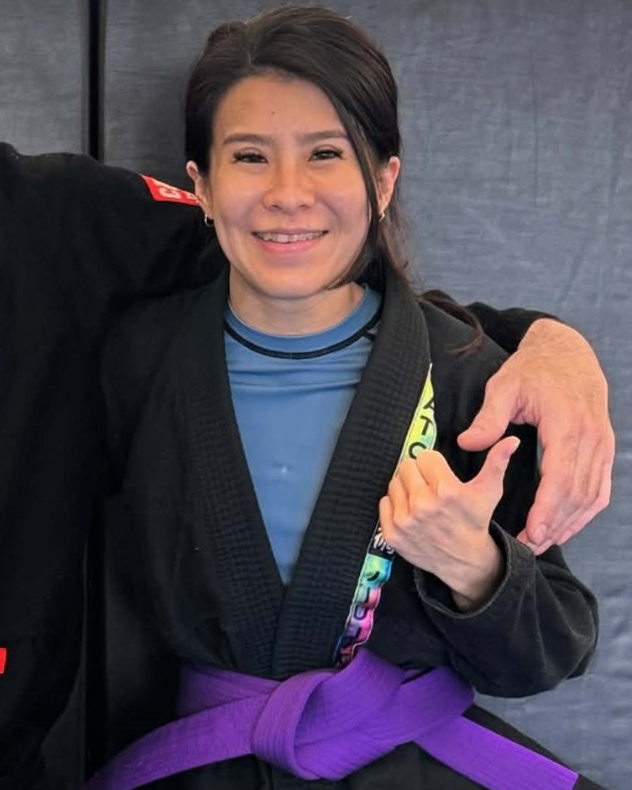
Assistant Instructor · Bilingual Youth & Junior Specialist, Gym Manager
Emma keeps Catch running day to day — and still shows up on the mat with a purple belt earned through real reps, including representing Kaohsiung at the National Games.
With Junior athletes, she expects more independence: mapping class plans, journaling techniques, and leading peers during warm-ups. She still reads the human underneath the rank — who needs pushed, who needs patience — and adjusts to each child. Her bilingual fluency keeps families in the loop in the language they speak at home.
Credentials: Purple belt in Brazilian Jiu-Jitsu, ~10 years training experience, National Games representative, bilingual (Chinese/English), full-time coaching and gym management.
Teaching style: High-trust communication, individualized motivation, and culture that makes teenagers feel seen.
Why athletes respond: Emma blends firm standards with warmth — the combo of coach and manager who genuinely cares.
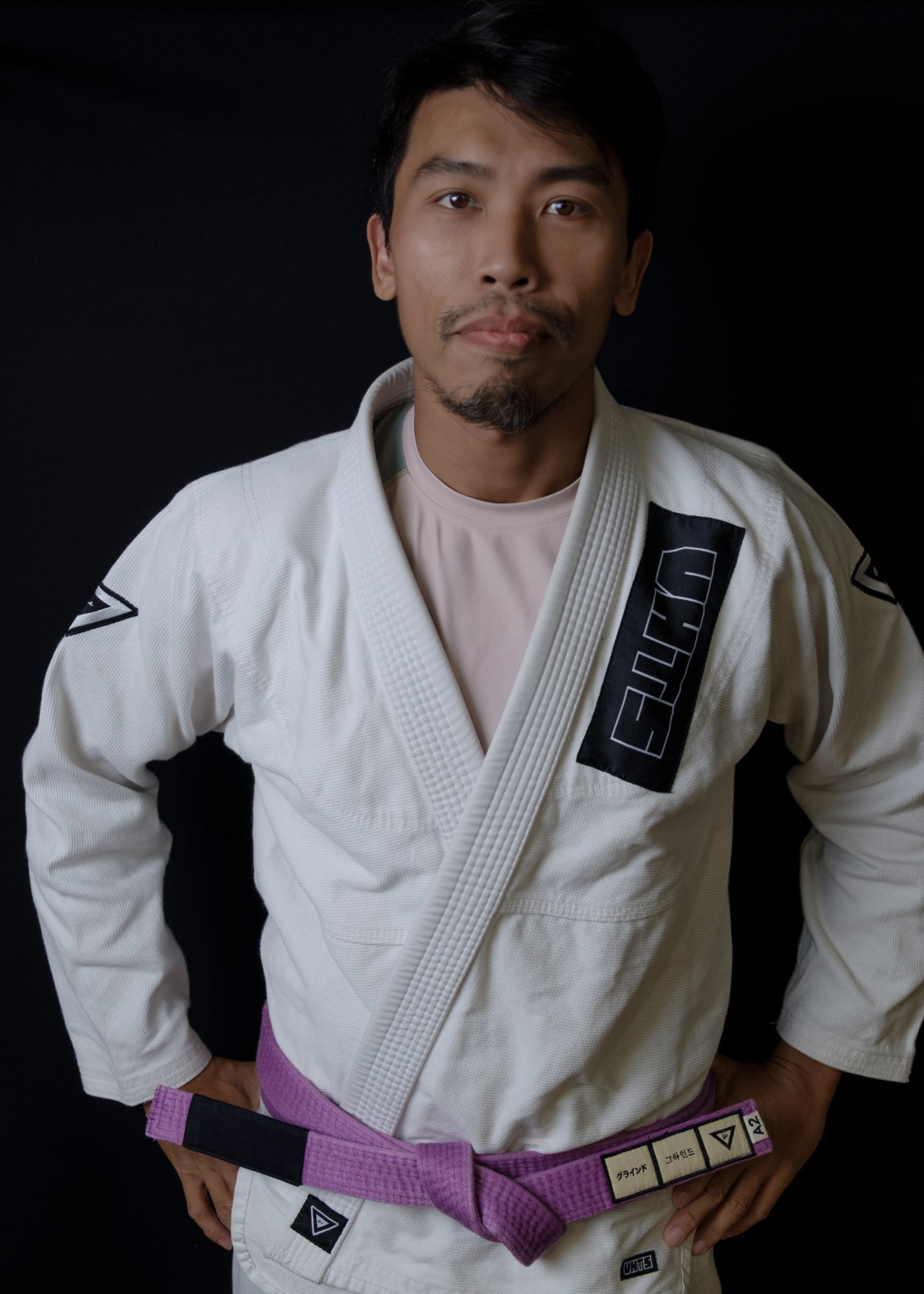
Assistant Instructor · Parent-Athlete Who Trains Beside His Kids
James is a purple belt with roughly eight years on the mats — calm under pressure, detail-oriented, and quietly competitive. He did not parachute into coaching from the sidelines: two of his own children train in Junior Grapplers, both now grey belts who have stood atop gold-medal spots on the podium.
That dual hat — dad and coach — shows up in how he talks to teenagers. He knows the juggle of school, nerves before brackets, and the temptation to compare yourself to teammates. James celebrates the slow grind of grey-belt fundamentals because he watches his own kids earn them the right way.
On the floor he is allergic to shortcuts. He wants positions that hold up against resistance and attitudes that hold up after a tough round. Athletes get direct feedback paired with encouragement; parents get honesty about effort versus outcomes. James reinforces that family culture extends to every teammate — no clowning on beginners, no coasting when it is your turn to lead a drill.
Credentials: Purple belt in Brazilian Jiu-Jitsu, ~8 years training experience, father-coach embedded in the Junior program with junior athletes who have earned competitive gold while progressing through Catch's belt standards.
Teaching style: Clear progressions, accountability without shame, and competition-aware coaching that still prizes respect and technical honesty.
Why juniors listen: He models the lifestyle — training consistently, parenting athletes, and proving that discipline at home and discipline on the mat are the same muscle.
Most programs drill techniques. Catch teaches young athletes to think on the mat.
Instead of “here's the move, repeat it,” coaches set up live rounds with specific constraints — like “pass without using your hands” or “escape using only frames.” Athletes have to find the solution under real resistance. That is how teenagers actually learn grappling.
Every drill stays alive. Juniors are not polishing dead moves against a static partner — they are solving problems against someone who is actively resisting and adapting.
A newer white belt and an experienced grey belt can run the same constraint game and both learn at their level. Nobody coasts. Nobody drowns. Progress is measurable and earned.
This is what separates gyms where kids are bored and stagnated, from gyms where athletes build skill that holds up in competition and daily life.
Why this matters for ages 9–15
Junior athletes and their families grow together — focus, grit, and friendships that survive puberty.
"My daughter was terrified of failing in front of others. Three months later she's asking to roll against the older kids — not because she's fearless, but because she trusts herself now."
"Our son was glued to screens and got anxious easily. Jiu-Jitsu gave him a real outlet — he comes home tired in the best way, sleeps better, and actually talks about what he learned."
"We'd tried three other gyms. The difference here? Coaches actually know our kids' names and what they struggle with. They're not just teaching moves — they're raising young people."
Catch Jiu Jitsu
Ages 9–15 · Same standards as Youth Grapplers
A belt at Catch is not a reward for showing up. It is recognition that a student has developed genuine competency — the ability to perceive a problem on the mat and produce an effective response under real conditions. That standard does not bend for age, size, or how long a student has been attending.
This program is built for the long game. A student who joins Junior Grapplers at nine and earns a green belt has invested years developing skills that actually work — not belt stripes for participation.
Learning to solve
Safe, efficient movement. Structural frames under pressure. Shrimping, bridging, repositioning when trapped. Falling without fear.
Before progression
Responds to stop/start without prompting. Trains cooperatively without redirection. Movement is purposeful, not panicked.
Learning to solve
Surviving dominant positions. Guard retention under pressure. Managing a standing grip exchange.
Before progression
Taps early and without hesitation. Leads warm-up independently. Framing and shrimping are reflexive, not deliberate.
Learning to solve
Operating with a clear objective in positional rounds. Recognizing and attempting basic sweeps. Adjusting output for smaller partners.
Before progression
Rolls with genuine intention. Consistent sportsmanship. Begins reading partners rather than just reacting.
Learning to solve
Chaining movements between positions. Recognizing submission conditions and applying them correctly.
Before progression
Takes initiative without instruction. Holds themselves and partners to program standards. Leads by example.
Learning to solve
Imposing a game, not just responding to one. Managing a full match with an adaptive plan. Recognizing what a less experienced partner needs without sacrificing their own development.
Before progression
Consistent competition presence. Composed and intentional. An emerging individual style that is genuinely theirs. Beginning to coach themselves.
At Catch, every belt means something. That is only possible because we do not give them away.
Questions about promotions? Ask coaches after class or see our FAQ.
Designed for parents who ask hard questions first — here is how we answer them on the mat.
Junior classes usually have 3-4 coaches on the mat, so every student is getting some 1 on 1 time — we catch bad habits before they become injuries.
Hard rounds happen when the children are ready for the challenge. Intensity scales with readiness and weight class reality.
We train stopping the instant a partner taps or verbally stops — ownership of boundaries is how teenagers learn real courage.
Structured warm-ups, controlled entries to rolling, and hygiene expectations mirror serious athletic programs.
Staff carry first-aid expectations; emergency contacts on file; clear evacuation paths and incident reporting protocols.
Ages 9–15 · 3F, No. 79, Jhonghua 3rd Rd, Qianjin District, Kaohsiung City 801
| Day | Time | Class | Ages |
|---|---|---|---|
| Monday | 7:00 PM – 8:00 PM | Kids BJJ beginners | 5–15 |
| Tuesday | 7:00 PM – 8:00 PM | Kids No GI | 5–15 |
| Wednesday | 7:40 PM – 8:40 PM | Junior BJJ | 9–15 |
| Thursday | 7:00 PM – 8:00 PM | Kids No GI | 5–15 |
| Friday | 7:40 PM – 8:40 PM | Junior BJJ | 9–15 |
| Saturday | 2:00 PM – 3:00 PM | Junior BJJ(9-15) | 9–15 |
| Sunday | 1:00 PM – 2:00 PM | Kids competition wrestling(invite only) | 5–15 |
| Sunday | 2:00 PM – 3:00 PM | Kids BJJ beginner | 5–15 |
Still have questions? See our full FAQ library or message us — we're happy to chat.
Free trial class, then flexible monthly membership. No contracts. Many families train together with sibling discounts.
Weekdays
NT$3,000
per month
Perfect if school schedule allows mid-week
Weekends
NT$3,000
per month
Sat/Sun classes fit most schedules
Unlimited
NT$3,500
per month
Best value if training 3+ times weekly
Start with a free trial class — no credit card needed. If your child loves it and you see the growth, pick a package that fits your family's schedule and budget.
We offer sibling discounts — many families train together. Flexible scheduling. No long-term contracts.
We make money when families are happy and seeing real progress — not when you feel locked in.
Ready to start?
No pressure to enroll. Just come try it. Coaches will match intensity to experience, explain how we teach, and answer every parent question.
Have a question before booking? We're .